
What is Vitreous Hemorrhage?
Vitreous hemorrhage means there is bleeding inside the clear gel that fills the center of your eye. This gel is called the vitreous. When blood leaks into this area, it can block light from reaching the back of your eye. As a result, you may notice changes in your vision. Vitreous hemorrhage is a serious eye problem. It can lead to vision loss if not treated quickly. Eye bleeding like this often needs care from an eye specialist. According to the American Academy of Ophthalmology, vitreous hemorrhage is a common reason for sudden vision changes.
Common Causes of Vitreous Hemorrhage
Many things can cause bleeding in the eye. However, some causes are more common than others. Knowing these can help you protect your vision. Here are the main reasons for vitreous hemorrhage:
In some cases, the cause of vitreous hemorrhage is not found. Even so, it is important to see an eye doctor right away.
Recognizing Symptoms
Vitreous hemorrhage can cause many symptoms. Some people notice sudden changes, while others may have mild signs. For example, you might see:
Sometimes, symptoms appear in one eye only. If you notice any of these signs, seek help quickly. Early care can prevent lasting vision problems.
How Vitreous Hemorrhage is Diagnosed
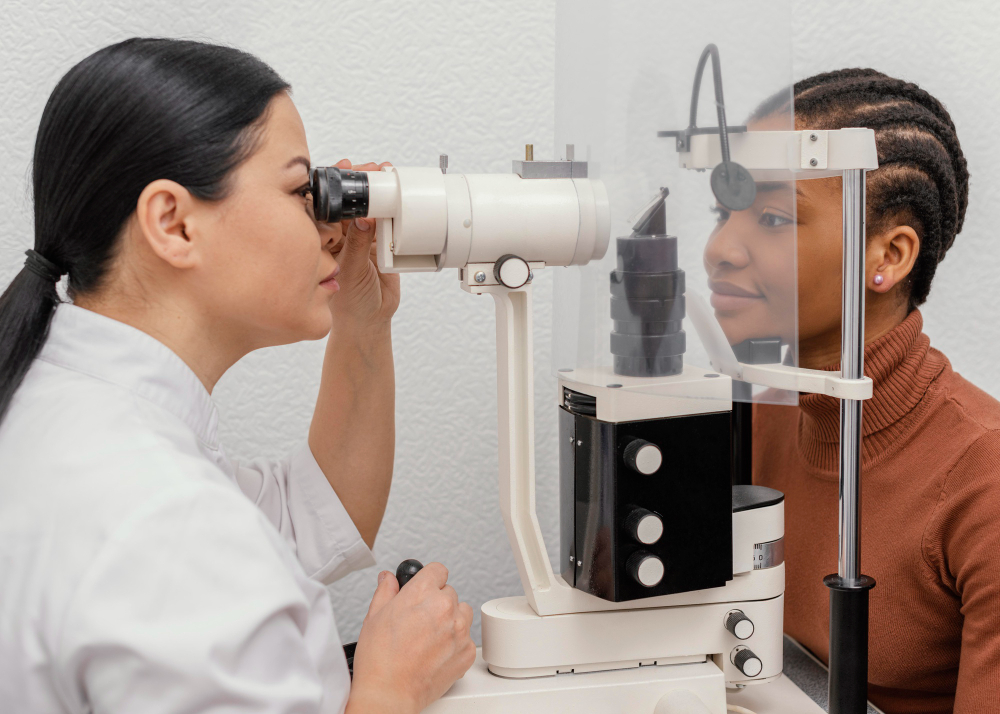
Doctors use several steps to find out if you have a vitreous hemorrhage. First, they will ask about your symptoms and health history. Next, they will check your eyes using special tools. For instance, they may use:
These tests help your doctor find the cause of the bleeding. After that, they can suggest the best treatment.
Treatment Options
Treatment for vitreous hemorrhage depends on the cause and how much blood is in the eye. In many cases, the blood clears on its own over a few weeks. However, some people need more help. Common treatments include:
Your eye specialist will explain which treatment is best for you. Quick care can often prevent vision loss.
Prevention and Eye Health Tips
While not all cases can be prevented, you can lower your risk of vitreous hemorrhage by caring for your eyes. Here are some tips:
Healthy habits can protect your eyes and help you spot problems early.
When to See an Eye Specialist
It is important to know when to seek help. If you notice sudden vision loss, eye bleeding, or new floaters, contact an eye specialist at VIJAYA NETHRALAYA Eye & Dental Hospital at once. Early treatment can make a big difference. Even if symptoms seem mild, it is better to be safe. According to the CDC, fast care can prevent permanent vision loss in many cases.
If you notice sudden changes in your vision, consult an eye specialist at VIJAYA NETHRALAYA Eye & Dental Hospital for personalized guidance.