
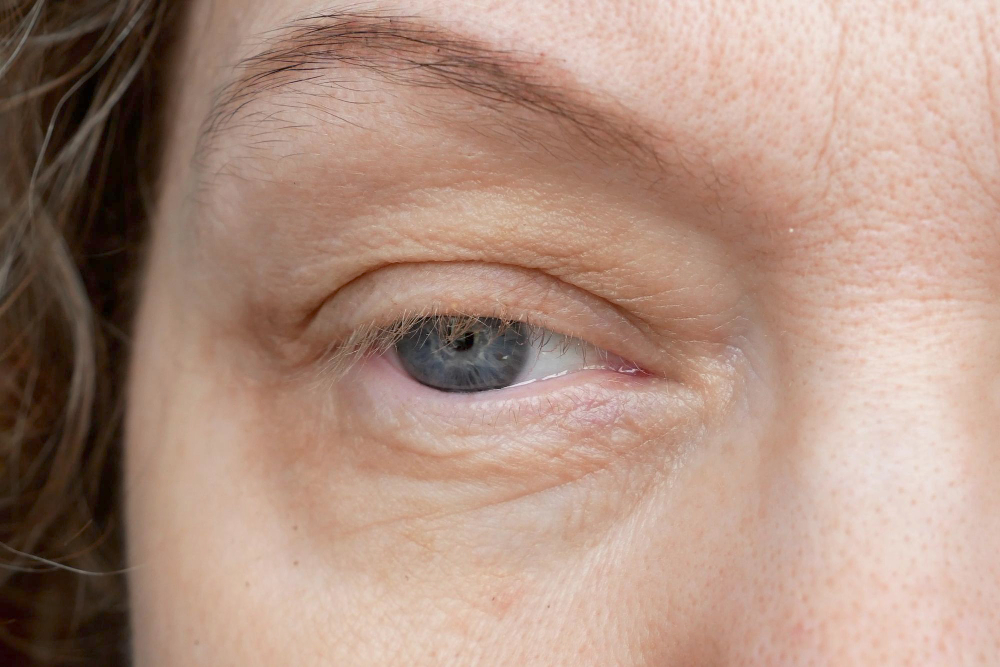
What is Ptosis?
Ptosis is a condition where the upper eyelid droops over the eye. Sometimes, this drooping can cover part of the pupil and affect vision. While ptosis can happen at any age, it is more common in older adults. However, children can also be born with ptosis. Because ptosis can affect how you see and look, it is important to understand its causes and treatments.
Common Causes of Ptosis
There are several reasons why ptosis may develop. In many cases, the cause is related to the muscles or nerves that lift the eyelid. For example, aging can weaken these muscles. But other factors can also play a role. Here are some common causes of eyelid drooping:
In rare cases, ptosis may signal a more serious health problem. Therefore, it is important to get checked by a doctor if you notice new eyelid drooping.
Recognizing Symptoms of Ptosis
Ptosis symptoms can be easy to spot. Yet, they may develop slowly. For instance, you might notice one eyelid sits lower than the other. Other signs include:
Sometimes, ptosis can affect both eyes. But often, only one eyelid is involved. If you notice any of these symptoms, it is wise to seek medical advice.
How Ptosis is Diagnosed
Doctors use several steps to diagnose ptosis. First, they will ask about your symptoms and medical history. Next, they will examine your eyes and eyelids. Often, they measure how much the eyelid droops. In some cases, doctors may check your eye movements or test the strength of your eyelid muscles. If needed, they might order tests like blood work or imaging scans. These tests help rule out other causes, such as nerve problems or tumors. Early diagnosis is important, especially if ptosis appears suddenly.
Treatment Options for Ptosis
Treatment for ptosis depends on the cause and how much it affects your vision. Sometimes, mild cases do not need treatment. However, if ptosis blocks your sight or causes discomfort, your doctor may suggest one of these options:
For children with ptosis, early treatment is important. Otherwise, vision problems like lazy eye can develop. Your eye doctor will help choose the best treatment for you.
Living with Ptosis: Tips and Guidance
Living with ptosis can be challenging, but there are ways to cope. For example, you can:
Additionally, talking to friends or family about your condition can help. Support groups may also offer advice and comfort. Remember, you are not alone.
Preventing Ptosis: Is It Possible?
In many cases, ptosis cannot be prevented, especially if it is due to aging or genetics. However, you can lower your risk by:
While prevention is not always possible, early detection can help you get the right treatment sooner.
When to See an Eye Specialist
If you notice sudden eyelid drooping, see an eye specialist right away. Also, seek help if ptosis affects your vision or causes discomfort. Early care can prevent further problems. Your doctor can find the cause and suggest the best treatment. Do not ignore changes in your eyes, as they may signal other health issues.
If you notice signs of ptosis, consult VIJAYA NETHRALAYA EYE CARE CENTRE for personalized advice.