What is Glaucoma?
Glaucoma is an eye disease that can damage the optic nerve. This nerve sends signals from your eye to your brain. Often, high eye pressure causes this damage. Because glaucoma can lead to vision loss, early detection is very important. Many people do not notice symptoms at first. However, regular eye exams can help catch glaucoma early. According to the World Health Organization, glaucoma is a leading cause of blindness worldwide.
Common Symptoms of Glaucoma
At first, glaucoma may not cause any pain or changes in vision. Still, as the disease progresses, symptoms may appear. Knowing the early signs of glaucoma can help you seek help sooner. Watch for these symptoms:
Because symptoms often develop slowly, regular eye checks are key. If you notice any changes, contact an eye specialist right away.
Causes and Risk Factors
Glaucoma often develops when fluid builds up in the front part of the eye. This extra fluid increases eye pressure. Over time, high pressure can damage the optic nerve. Yet, some people get glaucoma even with normal eye pressure. Several factors can raise your risk:
Because some risk factors cannot be changed, regular eye exams are important for early detection.
How Glaucoma is Diagnosed
Eye doctors use several tests to check for glaucoma. Early diagnosis can help protect your vision. During an eye exam, your doctor may:
Because glaucoma can be silent, these tests are vital. If you have risk factors, ask your doctor about regular screenings.
Treatment Options for Glaucoma
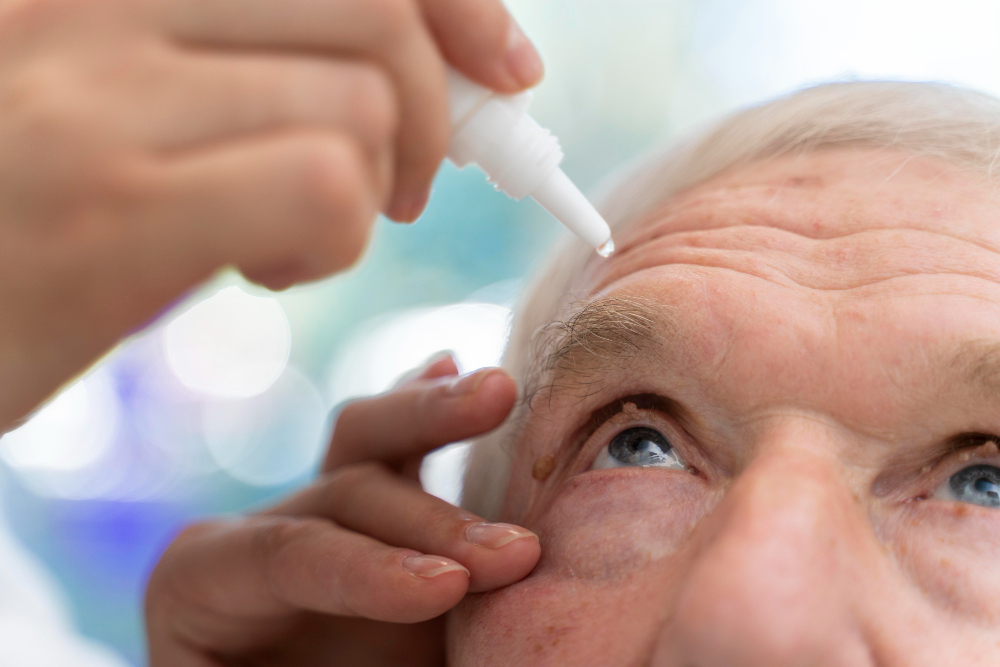
While there is no cure for glaucoma, treatment can slow or stop vision loss. Your doctor will choose the best plan for you. Common glaucoma treatment options include:
Because treatment works best when started early, follow your doctor’s advice closely. Never stop using your eye drops without talking to your doctor.
Lifestyle Tips and Prevention
Although you cannot always prevent glaucoma, healthy habits can help protect your eyes. Try these tips:
Because early action matters, talk to your doctor about your risk for glaucoma.
When to See an Eye Specialist
If you notice any changes in your vision, do not wait. For example, sudden vision loss, severe eye pain, or seeing halos around lights need quick attention. Even if you have no symptoms, regular eye exams are important. Early detection of glaucoma can help save your sight. If you have a family history or other risk factors, ask your eye doctor how often you should be checked.
In summary, glaucoma is a serious eye disease, but early detection and treatment can help protect your vision. Consult an eye specialist at Vijaya Nethralaya Eye Care Centre for personalized advice on glaucoma prevention and treatment.