Why Regular Eye Checkups Matter
Your eyes help you see the world. For this reason, the importance of regular eye checkups cannot be overstated. Many people only visit an eye doctor when they notice a problem. However, routine eye exams are key for good eye health. Early detection of eye diseases can save your vision. In fact, some eye problems do not show symptoms at first. But with regular visits, an ophthalmologist can spot issues early. This means you get treatment before problems become serious. As a result, you protect your vision for life.
Common Eye Problems Detected Early
Many eye diseases can develop slowly. Often, you may not notice any changes in your sight. Still, regular eye checkups help find these problems early. For example, doctors can detect:
Because these problems can be silent at first, routine eye exams are vital. Early treatment often leads to better results.
What to Expect During an Eye Exam
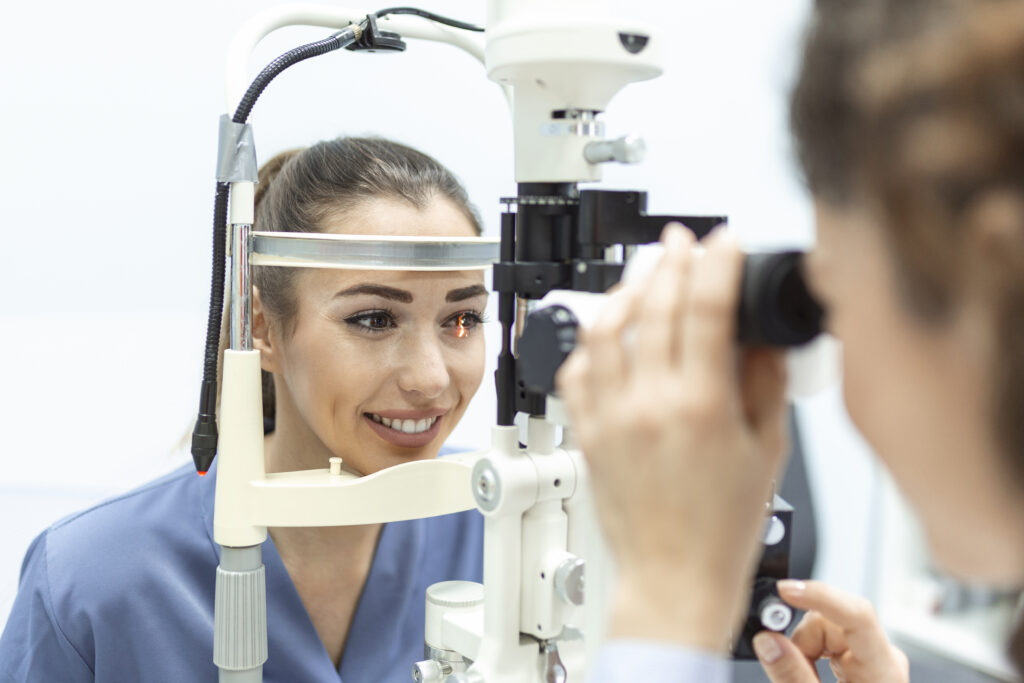
Many people feel nervous before their first eye exam. However, the process is simple and painless. During your visit, the eye doctor will:
After the exam, your doctor will explain the results. If needed, you will get advice on vision care or treatment options.
How Often Should You Get Your Eyes Checked?
How often you need an eye exam depends on your age and health. For most adults, experts recommend:
Children should also have regular eye exams. Early checks help spot vision problems that can affect learning. If you are unsure, ask an eye doctor in your area for advice.
Tips for Maintaining Eye Health
Besides regular checkups, you can take steps to protect your eyes. For example, you can:
With these habits, you support your vision care every day.
Frequently Asked Questions About Eye Checkups
Do eye exams hurt? No, most tests are quick and painless. Some drops may sting a little, but the feeling goes away fast.
Can I skip eye exams if I see well? No, because some eye diseases do not affect vision right away. Regular exams help catch problems early.
Who should do my eye exam? Always visit a qualified ophthalmologist or optometrist. They have the training to spot and treat eye problems.
Are eye exams covered by insurance? Many plans cover routine eye exams. However, check with your provider to be sure.
Conclusion and Next Steps
In summary, the benefits of eye checkups are clear. Regular visits to an eye doctor help keep your eyes healthy. Early detection of eye diseases can save your sight. Therefore, do not wait for symptoms to appear. Instead, schedule a comprehensive eye exam with a qualified ophthalmologist at VIJAYA NETHRALAYA EYE CARE CENTRE to protect your vision for life.