
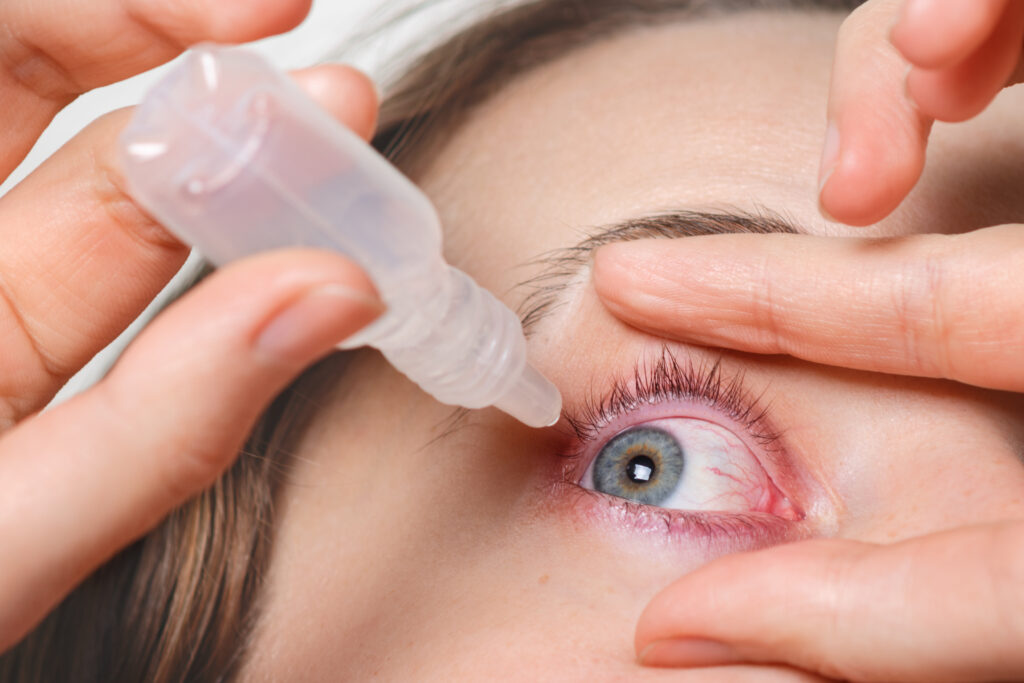
What Are Dry Eyes?
Dry eyes happen when your eyes do not make enough tears or the tears dry up too quickly. As a result, your eyes may feel scratchy, itchy, or even burn. For many people, dry eyes causes discomfort and can affect daily life. According to the World Health Organization (WHO), dry eye syndrome is a common problem worldwide.
Main Causes of Dry Eyes
There are many reasons why dry eyes develop. Knowing what causes dry eyes can help you find relief. Below are the most common dry eyes causes:
Each of these dry eye syndrome causes can affect people differently. However, many people have more than one cause at the same time.
Risk Factors for Developing Dry Eyes
Some people are more likely to get dry eyes. For instance, women, especially after menopause, have a higher risk. Additionally, people over age 50 are more likely to develop dry eyes. Certain jobs, such as those that require long hours at a computer, can also increase risk. Moreover, living in dry or windy places makes dry eyes more common. According to the CDC, people with autoimmune diseases are at higher risk too.
When to See a Doctor
Sometimes, dry eyes are mild and go away on their own. But if you have symptoms that last for more than a few days, you should see a doctor. For example, if your eyes hurt, become very red, or your vision changes, get help right away. Early treatment can prevent problems from getting worse. In some cases, dry eyes may signal another health issue.
Prevention Tips
There are steps you can take to lower your risk of dry eyes. Here are some helpful tips:
By following these tips, you may prevent or reduce dry eyes symptoms.
Conclusion
In summary, dry eyes can be caused by factors such as aging, certain medications, underlying health conditions, and environmental conditions. While some causes cannot be avoided, many can be effectively managed with proper care and treatment. If you are experiencing persistent dryness, irritation, or discomfort, do not ignore the symptoms. Consult VIJAYA NETHRALAYA EYE CARE CENTRE for expert evaluation and personalized treatment for dry eyes to help protect your vision and eye comfort.