Refractive errors are common vision problems that affect how your eyes focus light. They include nearsightedness, farsightedness, and astigmatism. Accurate diagnosis of refractive errors is important for clear vision and eye health. If you wonder how refractive errors are diagnosed, or what happens during an eye exam for refractive errors, this guide will help. Many people search for a vision test for glasses or an eye exam near me. Understanding the process can help you feel prepared and confident.
What Are Refractive Errors?
Refractive errors happen when the shape of your eye does not bend light correctly. As a result, images may appear blurry. The main types are:
Because these errors are so common, many people need glasses or contact lenses to see well.
Why Is Diagnosis Important?
Early diagnosis of refractive errors can prevent eye strain and headaches. In children, it helps avoid learning problems caused by poor vision. For adults, timely diagnosis ensures safe driving and daily activities. Moreover, untreated refractive errors can lower your quality of life. Therefore, regular eye exams are important for everyone, even if you do not notice symptoms.
Common Symptoms Indicating Refractive Errors
Sometimes, refractive errors develop slowly. However, you may notice signs such as:
If you notice any of these symptoms, it is wise to schedule an eye exam for refractive errors.
How Refractive Errors Are Diagnosed
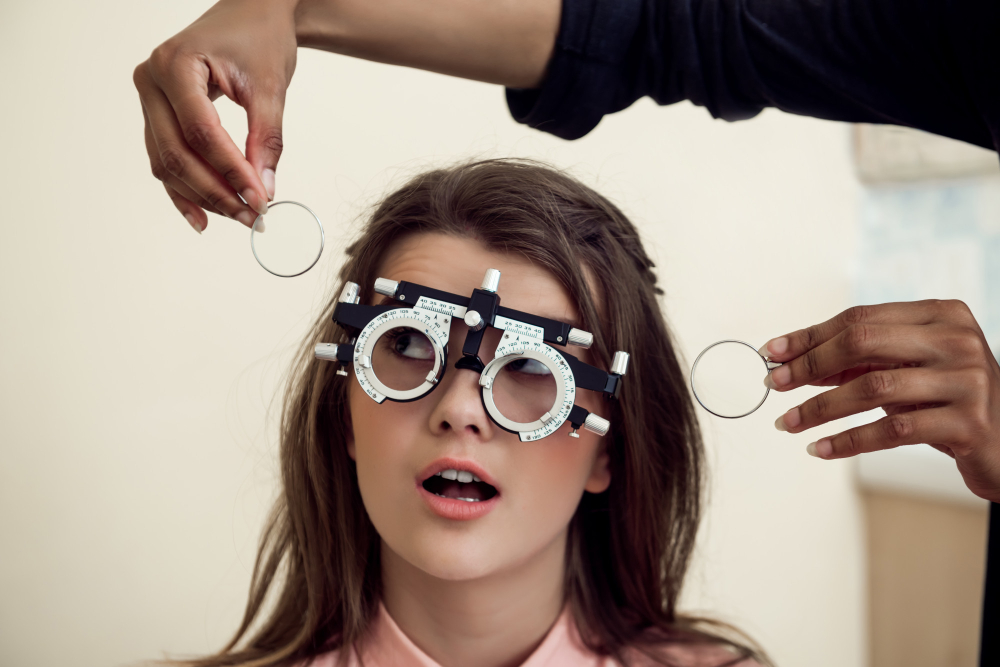
Eye specialists use several tests to diagnose refractive errors. Each test checks how well your eyes focus light. Here are the main methods:
Because these tests are simple and painless, most people find the process easy.
What to Expect During an Eye Exam
During an eye exam for refractive errors, the specialist will:
Usually, the exam takes less than an hour. However, it may take longer if you need extra tests. After the exam, you will know if you need glasses or other treatment.
When to See an Eye Specialist
It is important to see an eye specialist if you have blurry vision or frequent headaches. Children should have regular eye exams, especially before starting school. Adults should get checked every one to two years, or sooner if symptoms appear. If you search for an eye exam near me, you can find local clinics easily. Early visits help catch problems before they get worse.
Frequently Asked Questions About Diagnosis
Conclusion
In summary, accurate diagnosis of refractive errors is key to clear vision and eye health. Regular eye exams help detect problems early and ensure you get the right treatment. If you notice any vision changes, consult VIJAYA NETHRALAYA EYE CARE CENTRE for a personalized diagnosis and care plan. Your eyes deserve the best care, so do not delay your next check-up.