
Introduction
Dental veneersent is a popular way to improve your smile. It involves placing thin covers, called veneers, over the front of your teeth. These covers can hide stains, chips, or gaps. Many people choose dental veneersent to boost their confidence. In fact, a bright smile can help you feel better in social and work settings. If you want to learn more about dental veneersent, this guide will help you understand the basics and what to expect.
Symptoms and Signs
How do you know if you might need dental veneersent? There are several signs to watch for. For example, you may notice:
Sometimes, you may feel self-conscious about your smile. If so, dental veneersent could be an option. However, it is important to talk with a dentist before making any decisions.
Causes and Risk Factors
There are many reasons why someone might consider dental veneersent. For instance, teeth can become stained from coffee, tea, or smoking. In addition, accidents can cause chips or cracks. Some people are born with gaps or uneven teeth. Over time, grinding your teeth can also wear them down. While anyone can need dental veneersent, people who want a quick and lasting change to their smile often choose this treatment.
Diagnosis
How do dentists know if dental veneersent is right for you? First, your dentist will examine your teeth and gums. Next, they may take X-rays or make molds of your mouth. This helps them see if your teeth are healthy enough for veneers. Sometimes, other treatments may be better. For example, if you have gum disease, your dentist will treat that first. After a full check-up, your dentist will discuss your options and answer your questions.
Treatment Options
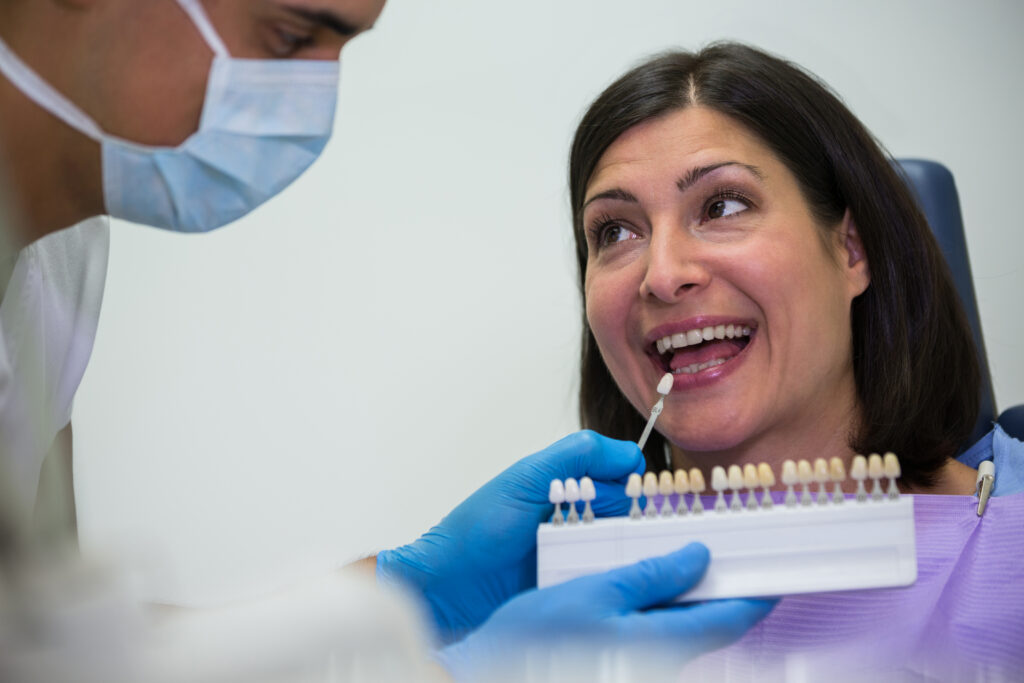
Dental veneersent involves several steps. First, your dentist will remove a thin layer of enamel from your teeth. This makes space for the veneers. Then, they will take an impression of your teeth. This mold is sent to a dental lab, where your custom veneers are made. While you wait, your dentist may place temporary covers on your teeth. Once the veneers are ready, your dentist will bond them to your teeth using a special glue.
There are two main types of veneers:
Most people find the procedure comfortable. However, you may feel some mild sensitivity for a few days. Your dentist will explain what to expect and how to care for your new smile.
Aftercare and Lifestyle Guidance
After getting dental veneersent, it is important to take good care of your teeth. For best results, follow these tips:
With proper care, your veneers can last many years. However, if you notice any problems, contact your dentist right away.
Prevention
While dental veneersent can fix many problems, it is best to keep your teeth healthy from the start. To help prevent the need for veneers, try these steps:
By caring for your teeth, you can lower your risk of damage or stains.
Frequently Asked Questions
Conclusion
Dental veneers can help you achieve a brighter, more even, and confident smile by improving the appearance of chipped, stained, or uneven teeth. While the procedure is generally simple and effective, it is important to get a proper dental evaluation before starting treatment. A dental specialist can help you understand whether veneers are suitable for your oral health and cosmetic goals. For the best results, consult Dr. Saleha (Trudent Dental Hospital) for personalized guidance on dental veneers and smile enhancement.