What is Amblyopia?
Amblyopia, often called lazy eye, is a vision problem. It happens when one eye does not develop normal sight during childhood. As a result, the brain favors the stronger eye. Over time, the weaker eye gets worse. Early detection is important. According to the CDC, amblyopia is the most common cause of vision loss in children. However, with the right care, many children can improve their vision.
Common Causes of Amblyopia
There are several reasons why amblyopia may develop. Understanding these causes can help parents and caregivers spot the problem early. Some common causes include:
In many cases, amblyopia starts before age seven. But, it can also affect older children if not treated early.
Recognizing Symptoms
Spotting amblyopia early can make a big difference. Yet, symptoms are often hard to notice. Still, there are signs you can watch for:
Sometimes, children may not complain about vision problems. Therefore, regular eye exams are important, especially for young children.
How Amblyopia is Diagnosed
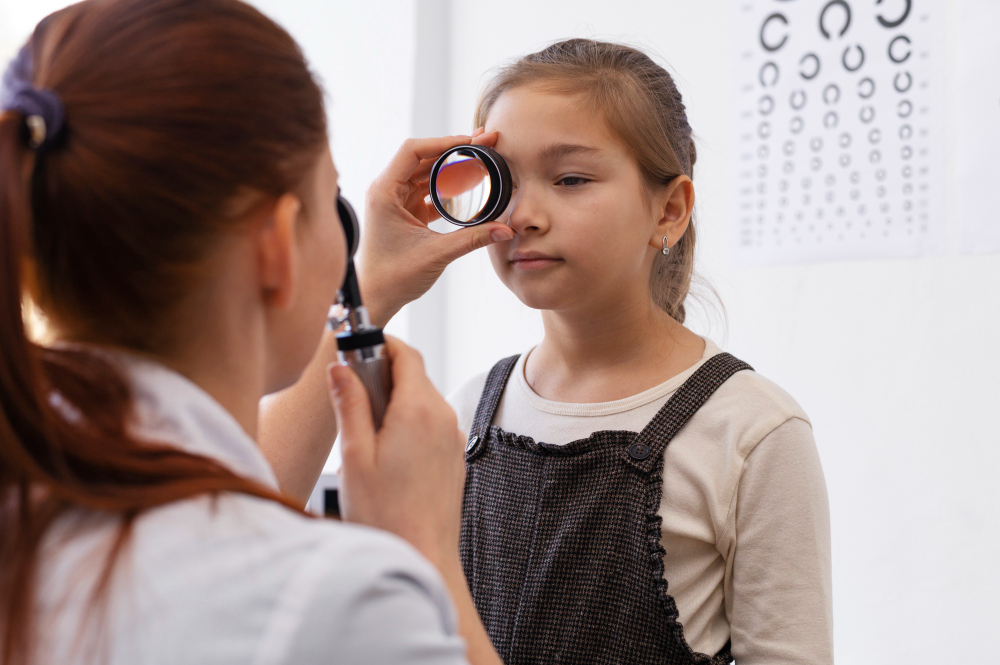
Eye doctors use several tests to check for amblyopia. First, they may ask about your child’s vision history. Next, they will perform a full eye exam. During the exam, the doctor may:
Early diagnosis is key. The American Academy of Ophthalmology recommends eye checks for all children before age five. If you notice any signs, schedule an exam right away.
Treatment Options
There are several amblyopia treatment options. The goal is to make the weaker eye stronger. Treatment works best when started early. Common treatments include:
Most children need to use these treatments for several months. Regular follow-up visits help track progress. With early care, many children regain good vision.
Prevention and Lifestyle Tips
While not all cases can be prevented, you can lower the risk of amblyopia. Here are some helpful tips:
Early action can help protect your child’s vision for life.
When to See an Eye Specialist
If you notice any signs of lazy eye in children, do not wait. For example, if your child squints, tilts their head, or has trouble seeing, schedule an eye exam. Even if there are no signs, regular checks are important. The CDC and WHO both recommend early vision screening for all children. If you have concerns, an eye specialist at VIJAYA NETHRALAYA Eye & Dental Hospital can guide you on how to detect amblyopia early and discuss the best treatment options.
For personalized advice on amblyopia, consult an eye specialist at VIJAYA NETHRALAYA Eye & Dental Hospital. Early care can make a big difference in your child’s vision health.