What Are Refractive Errors?
Refractive errors are common vision problems. They happen when the eye cannot focus light correctly. As a result, images may look blurry or unclear. The main types include nearsightedness, farsightedness, and astigmatism. Sometimes, people also have presbyopia, which affects close-up vision as they age. Because these conditions are so common, many people need help to see clearly.
Why Is Diagnosis Important?
Early diagnosis of refractive errors is important for good eye health. If left untreated, these vision problems can affect daily life. For example, children may struggle in school, and adults may have trouble driving. In addition, untreated refractive errors can cause eye strain and headaches. Therefore, getting the right diagnosis helps you find the best treatment. This can improve your quality of life.
Common Symptoms Indicating Refractive Errors
Sometimes, it is hard to know if you have a refractive error. However, certain signs can help you notice a problem. Look out for these symptoms:
If you notice any of these signs, it may be time for an eye exam for vision problems.
How Refractive Errors Are Diagnosed
Doctors use several tests for refractive errors. These tests help find out how well your eyes focus. Here are some common ways to diagnose refractive errors:
Each test gives important information. Together, they help the doctor decide if you need glasses or contact lenses.
What to Expect During an Eye Exam
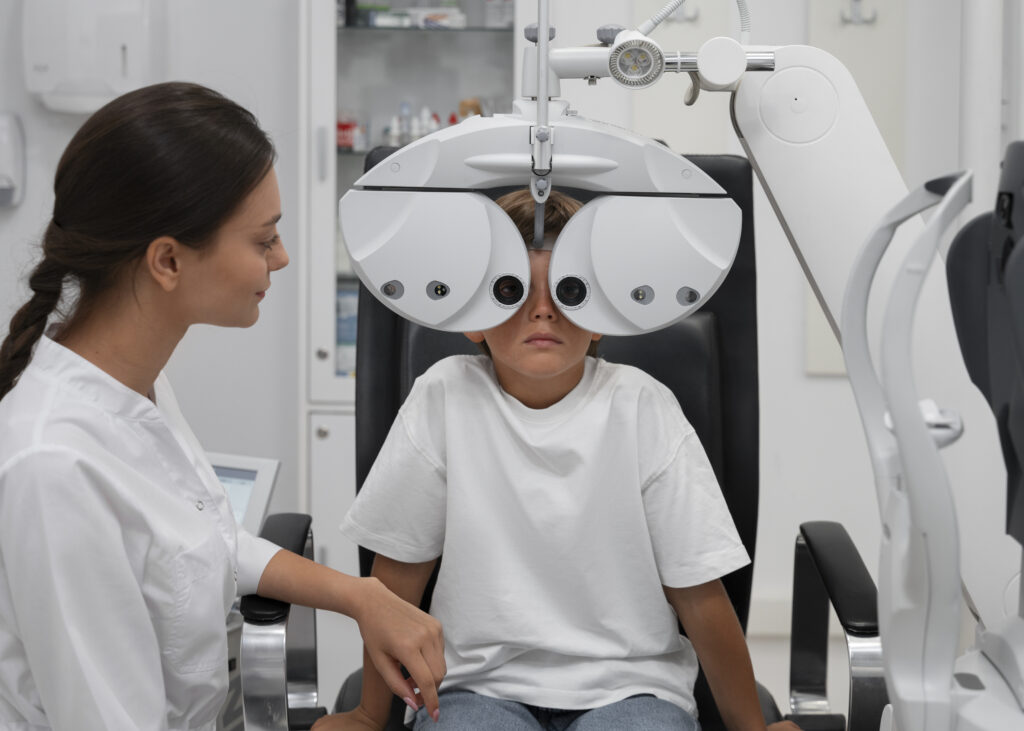
Many people feel nervous before an eye exam. However, the process is simple and painless. First, the doctor will ask about your vision and health history. Next, they will check your eyesight using charts and lights. Then, you may look through different lenses to find the best fit. Sometimes, the doctor will use drops to widen your pupils. This helps them see inside your eye. The whole exam usually takes less than an hour. Afterward, you will know if you need glasses or other treatment.
When to See an Eye Specialist
It is important to see an eye specialist if you notice changes in your vision. For example, if you have blurry vision, headaches, or trouble seeing at night, make an appointment soon. Children should have regular eye exams, especially before starting school. Adults should also get their eyes checked every one to two years. If you have diabetes or other health problems, you may need more frequent exams. Early visits help catch problems before they get worse.
Frequently Asked Questions (FAQs)
Conclusion
In summary, the diagnosis of refractive errors is essential for maintaining clear vision and overall eye health. Regular comprehensive eye examinations can help detect vision problems early and ensure timely correction. If you notice blurred vision, eye strain, or difficulty focusing, do not delay seeking care. Consult VIJAYA NETHRALAYA EYE CARE CENTRE for expert evaluation and personalized treatment for refractive errors to protect your vision and eye well-being.