
Introduction
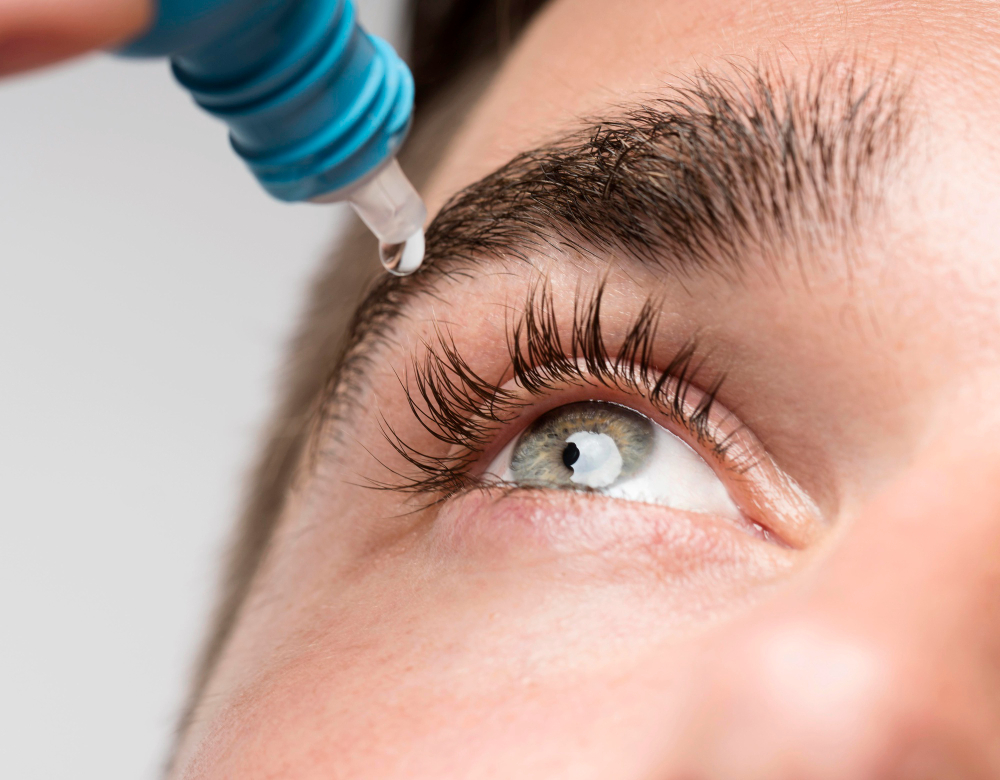
Eye drops are liquid medicines or solutions used to treat many eye problems. People use them for dry eyes, allergies, redness, and infections. But many wonder, are eye drops safe for regular use? This is a common question for those who rely on eye drops daily. In this guide, we will explore the safety, types, and best practices for using eye drops. We will also discuss when to see an ophthalmologist for eye care.
Types of Eye Drops
There are several types of eye drops. Each serves a different purpose. Knowing the difference helps you choose the right one for your needs.
However, not all eye drops are safe for everyone. It is important to use the right type for your condition.
Are Eye Drops Safe for Regular Use?
Many people ask, are eye drops safe for regular use? For most lubricating or artificial tear drops, regular use is usually safe. These drops help keep your eyes moist and comfortable. However, some medicated or redness-relief drops can cause problems if used too often. Overuse may lead to side effects or even worsen your symptoms. According to the American Academy of Ophthalmology, using prescription drops as directed is safe, but misuse can be harmful. Always follow your doctor’s advice when using any eye medication.
Common Side Effects and Warning Signs
Most eye drops are safe when used as directed. Still, some people may notice side effects. Watch for these common issues:
But if you notice severe pain, vision loss, or swelling, stop using the drops and seek help right away. These may be signs of a serious problem.
Best Practices for Safe Use
To keep your eyes healthy, follow these tips for safe eye drop use:
Moreover, avoid using redness-relief drops daily unless your doctor says it is safe. Overuse can make redness worse over time.
When to Consult an Ophthalmologist
Sometimes, you may need expert advice. See an ophthalmologist if:
Additionally, regular eye exams help catch problems early. An eye doctor can guide you on safe and effective treatments.
Conclusion
In summary, are eye drops safe for regular use? Most lubricating drops are safe when used as directed. However, medicated or redness-relief drops may cause side effects if overused. Always follow best practices and watch for warning signs. If you have any doubts, consult an eye care specialist.
Call-to-Action
Your eyes are important. For personalized advice and safe eye care, consult your ophthalmologist at Vijaya nethralaya eye care centre today to know more.