
What is Keratoconus?
Keratoconus is an eye condition that affects the clear front part of your eye, called the cornea. Normally, the cornea is round and smooth. However, in keratoconus, the cornea becomes thin and starts to bulge outward like a cone. Because of this change, your vision can become blurry or distorted. Although keratoconus can affect anyone, it often starts in the teenage years or early adulthood. Early detection is important, as treatment can help slow the changes and protect your vision.
Symptoms of Keratoconus
At first, keratoconus symptoms may be mild. Over time, they can become more noticeable. For example, you may notice changes in your vision that glasses cannot fix. Common symptoms include:
Because these symptoms can be similar to other eye problems, it is important to get a proper eye exam.
Causes and Risk Factors
Experts are still studying the exact cause of keratoconus. However, several factors can increase your risk. For instance, genetics play a role, as the condition can run in families. Other risk factors include:
While you cannot control all risk factors, avoiding eye rubbing may help lower your risk.
How is Keratoconus Diagnosed?
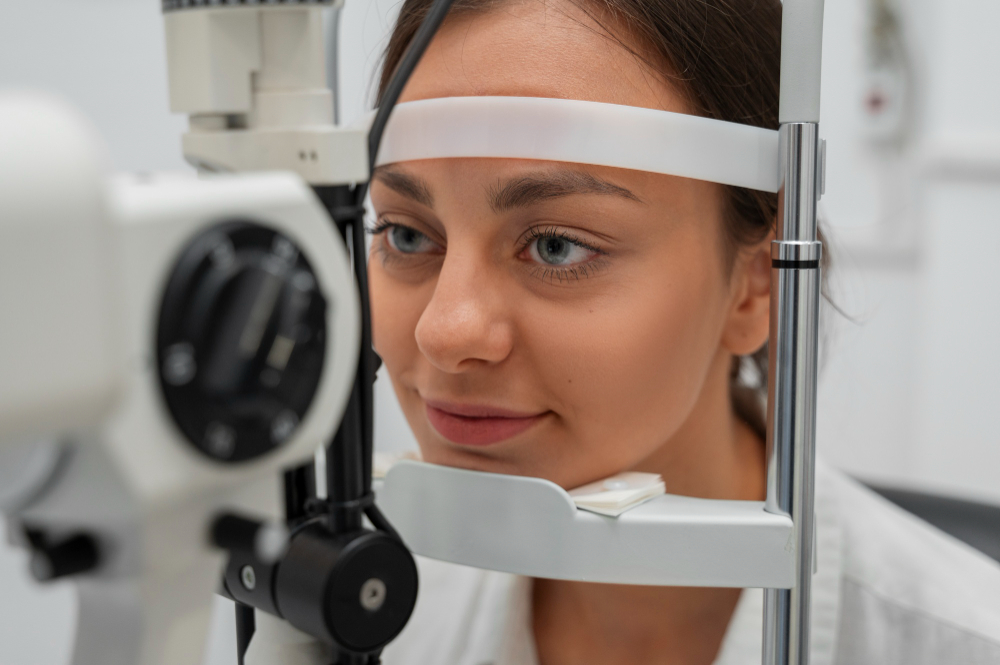
Early diagnosis is key to managing keratoconus. Eye doctors use several tests to check for this condition. For example, they may:
In many cases, a test called corneal topography is used. This test creates a detailed map of your cornea’s surface. Because keratoconus can change over time, regular check-ups are important.
Treatment Options for Keratoconus
Treatment for keratoconus depends on how severe your symptoms are. In the early stages, glasses or soft contact lenses may help. As the condition progresses, other options may be needed. Common keratoconus treatment options include:
Because each person is different, your eye doctor will help choose the best treatment for you.
Living with Keratoconus: Tips and Lifestyle Guidance
Living with keratoconus can be challenging, but many people manage it well. Here are some helpful tips:
With the right care, you can keep your vision as clear as possible.
Prevention and Early Detection
While you cannot always prevent keratoconus, early detection makes a big difference. For example, regular eye exams can catch changes before they become serious. If you have a family history of keratoconus, tell your eye doctor. In addition, avoid rubbing your eyes, especially if you have allergies. Early treatment can slow the condition and protect your sight.
When to See an Eye Specialist
If you notice any changes in your vision, see an eye specialist soon. For instance, if you have blurry vision, frequent prescription changes, or trouble seeing at night, do not wait. Early care can help you manage keratoconus and keep your eyes healthy. In summary, regular check-ups and quick action are key.
For personalized advice on keratoconus, consult an eye specialist at VIJAYA NETHRALAYA EYE CARE CENTRE. Your doctor can help you find the best treatment and support for your needs.